
It begins in the mouth!
In conversations about gut health, the focus is usually placed on the stomach and intestines. We talk about digestion, nutrient absorption, and the trillions of microbes that inhabit the gastrointestinal tract. Yet one of the most important aspects of digestive health is often overlooked.
Digestion does not begin in the stomach.
It begins in the mouth.
The oral cavity hosts one of the most diverse microbial ecosystems in the human body. Emerging research increasingly highlights a relationship between the oral microbiome and the intestinal microbiome, sometimes referred to as the oral–gut microbiome axis. This connection suggests that imbalances in the microbial community of the mouth may influence microbial balance further along the digestive tract.
Understanding this relationship provides a more integrated view of digestive health and may help explain why addressing gut dysbiosis sometimes requires looking beyond the gut itself.
The Oral Microbiome: A Complex Microbial Ecosystem
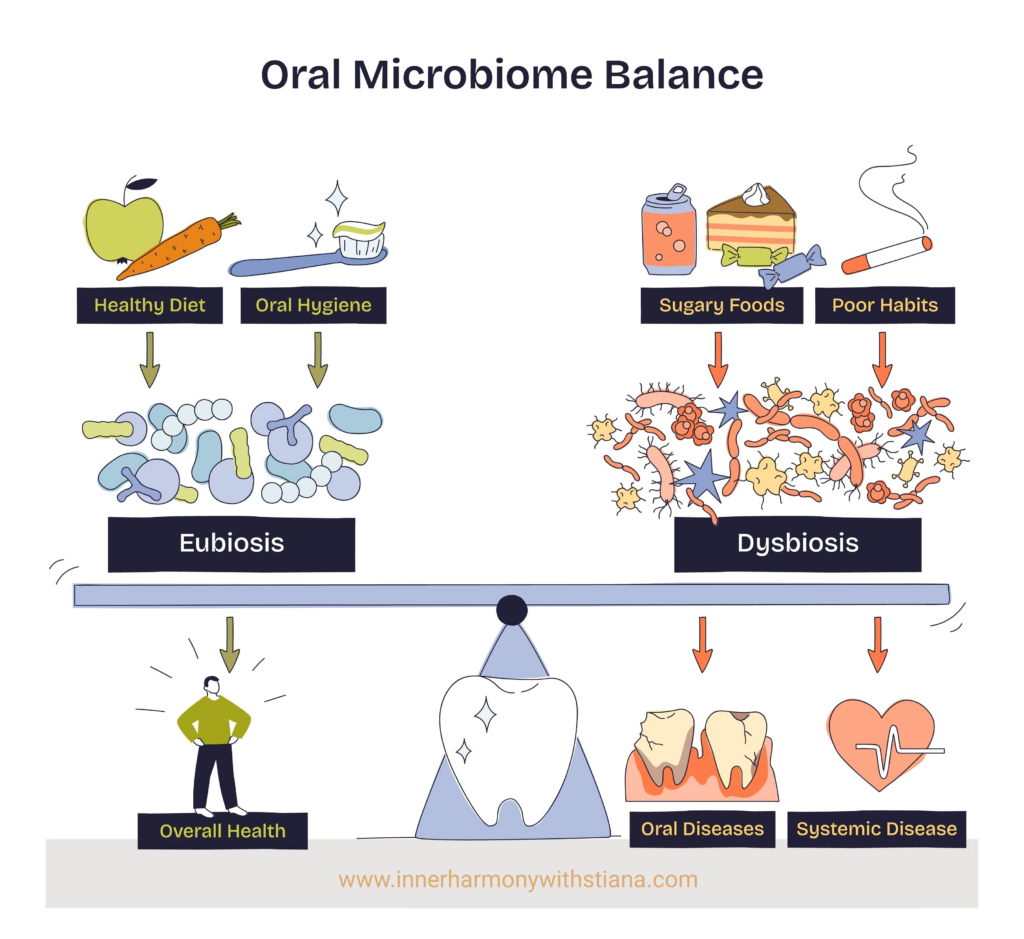
The human mouth contains a remarkably complex microbial community. Researchers have identified over 700 bacterial species within the oral cavity, many of which live in structured communities known as biofilms on the teeth, gums, tongue, and oral tissues.
In healthy conditions, these microbes coexist in a balanced ecosystem that supports oral health and interacts closely with the immune system. Saliva, immune factors, and the physical structure of the oral cavity all play important roles in maintaining this microbial balance.
However, factors such as diet, oral hygiene, stress, medications, and systemic health can influence the composition of the oral microbiome. When microbial balance is disrupted, a state known as oral dysbiosis can develop.
Oral dysbiosis has traditionally been associated with dental conditions such as periodontal disease and dental caries. However, emerging research suggests that its effects may extend beyond the oral cavity.
The Journey of Oral Bacteria Through the Digestive Tract
Humans produce approximately 0.5 to 1.5 litres of saliva each day, and saliva contains large numbers of oral microbes. As we swallow saliva throughout the day, billions of bacteria from the oral microbiome enter the digestive tract.
In healthy individuals, several protective mechanisms help regulate this process. Gastric acid, digestive enzymes, and immune defences within the gastrointestinal tract limit the survival of many microbes entering from the mouth.
However, research has shown that some oral bacteria are capable of surviving these conditions and reaching the intestinal microbiome. Under certain circumstances, these microbes may establish themselves within the gut microbial community.
This phenomenon has led researchers to explore how oral microbes may act as ectopic colonisers of the gut, particularly when microbial balance within the digestive system has already been disrupted.

The Oral–Gut Microbiome Axis
The concept of the oral–gut microbiome axis reflects the growing understanding that microbial ecosystems throughout the body are interconnected.
Microbial communities in the mouth, gut, skin, and respiratory tract do not exist in isolation. Instead, they interact with each other through physical movement of microbes, immune signalling, and metabolic communication.
When dysbiosis develops in one microbial ecosystem, it may influence others.
Several studies have demonstrated that bacteria typically associated with the oral microbiome can be detected within the gut microbiome. This is particularly evident in certain disease states where microbial balance is disrupted.
For example, research has shown that oral-derived bacteria may contribute to inflammatory responses within the intestine and may influence the composition of gut microbial communities.
What Stool Testing Can Reveal
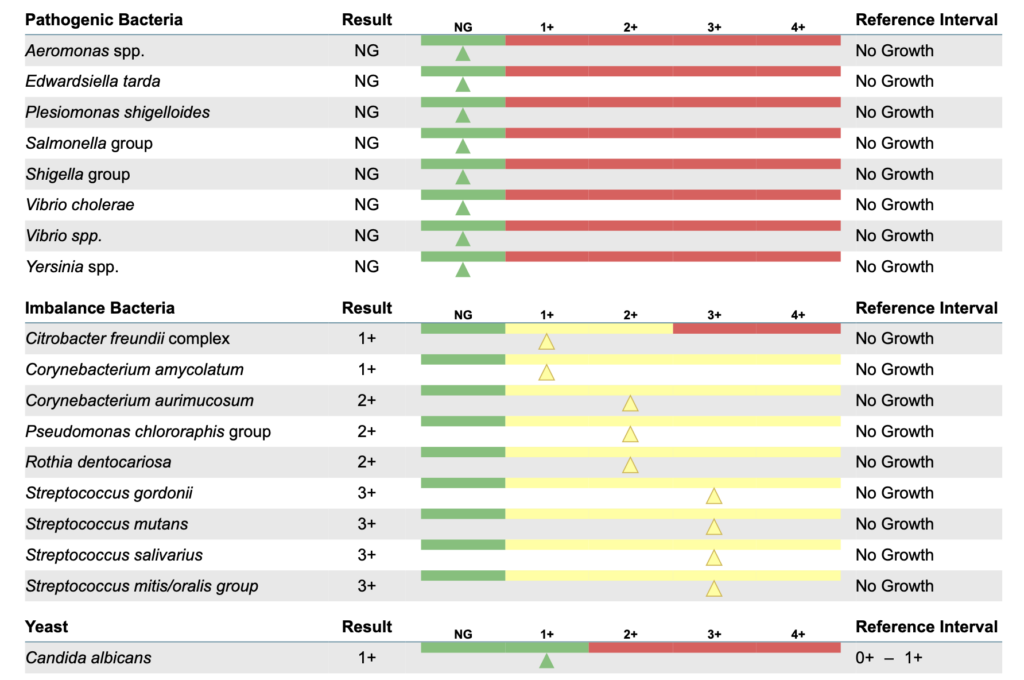
In clinical practice, comprehensive stool testing can provide insights into the composition of the gut microbiome. Occasionally, these tests reveal bacteria that are more commonly associated with the oral cavity appearing in the intestinal microbial profile.
Examples of oral-associated bacterial genera that may appear in stool testing include:
- Streptococcus
- Rothia
- Corynebacterium
These organisms are normal inhabitants of the oral microbiome. However, when present in elevated levels within the gut microbiome, they may suggest that microbial transfer from the oral cavity is contributing to intestinal microbial imbalance.
It is important to interpret these findings carefully and within the broader clinical context. The presence of oral-associated bacteria does not necessarily indicate disease on its own, but it can provide useful information when evaluating patterns of gut dysbiosis.
Oral Bacteria and Intestinal Inflammation
Research investigating the oral–gut microbiome axis has provided insight into potential mechanisms linking oral bacteria with intestinal inflammation.
Some studies suggest that oral microbes may influence immune responses within the gut. In experimental models, certain oral bacteria have been shown to stimulate immune pathways associated with inflammation, potentially contributing to intestinal immune activation.
Other studies have observed increased levels of oral-associated bacteria in individuals with inflammatory gastrointestinal conditions.
While research in this area continues to develop, these findings highlight the importance of viewing microbial ecosystems throughout the body as interconnected systems rather than isolated communities.
Oral Bacteria and Systemic Inflammation
Certain oral microbes have been associated with systemic inflammatory signalling when microbial balance in the mouth is disrupted. Research into periodontal disease and oral dysbiosis has shown links with systemic inflammatory markers and autoimmune activity.
When oral bacteria migrate into the gastrointestinal tract, they may contribute to intestinal immune activation and microbial imbalance, which in turn can influence immune regulation more broadly.
Since autoimmune thyroid conditions involve dysregulation of the immune system, maintaining microbial balance across the body — including the oral microbiome — may be an important piece of the broader picture.
The Microbiome–Immune–Thyroid Connection
The immune system plays a central role in thyroid autoimmunity. Research increasingly suggests that the microbiome may influence immune regulation through mechanisms such as:
- modulation of T-cell responses
- production of microbial metabolites
- interaction with intestinal barrier function
- inflammatory signalling pathways
Because oral microbes can influence gut microbial communities and immune responses, supporting microbial balance in the mouth may be one of several factors that contribute to a healthier microbial environment throughout the body.
This is why, when addressing gut dysbiosis and systemic inflammation, it can be helpful to consider the health of multiple microbial ecosystems, including the oral microbiome.
Supporting Oral Microbiome Health
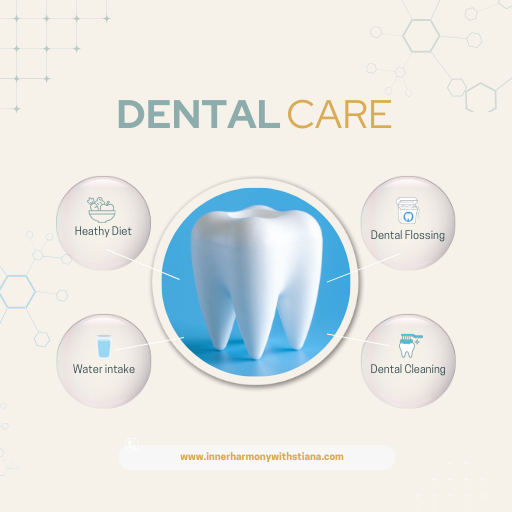
Maintaining a balanced oral microbiome is an important aspect of overall health. Several daily practices can help support microbial balance within the oral cavity:
- Regular flossing, which helps disrupt bacterial biofilms between teeth
- Electric toothbrush, creates a much deeper clean
- Tongue scraping, which can reduce bacterial accumulation on the tongue
- Adequate hydration, supporting saliva production
- Balanced nutrition, which influences microbial growth (with special emphasis on a low sugar diet)
- Regular dental care, helping maintain oral health
Avoiding excessive use of highly antibacterial mouthwashes may also help preserve beneficial microbial communities within the mouth.
These practices support the natural balance of the oral microbiome and may reduce the number of potentially problematic microbes entering the digestive tract.
If you’re experiencing ongoing digestive symptoms, fatigue, or thyroid imbalances, functional microbiome testing can sometimes provide valuable insights into microbial patterns within the gut. This forms a big part of the work that I do with my 1:1 clients. If you want to understand what steps you need to take next then book in for a Clarity & Connection Call so we can get you on the right path to feel healthy and vibrant again.

References
- Atarashi, K. et al. (2017). Ectopic colonization of oral bacteria in the intestine drives TH1 cell induction and inflammation. Science.
- Kitamoto, S. et al. (2020). The intermucosal connection between the mouth and gut in commensal pathobiont-driven colitis. Science.
- Schmidt, T. et al. (2019). Extensive transmission of microbes along the gastrointestinal tract. Frontiers in Cellular and Infection Microbiology.
- Dewhirst, F. et al. (2010). The human oral microbiome. Journal of Bacteriology.
- Humphrey, S. & Williamson, R. (2001). A review of saliva: Normal composition, flow and function. Journal of Prosthetic Dentistry.
- Feng J et al. (2019). Gut microbiota alterations in Hashimoto’s thyroiditis. Frontiers in Endocrinology.
- Ishaq HM et al. (2017). Gut microbiome in autoimmune thyroid disease. Journal of Medical Microbiology.


